Common Mistakes New Landowners Make with Forested Property
Buying a piece of forested land is exciting. Whether you’re planning to build a home, harvest timber, create a wildlife haven, or just enjoy the beauty and privacy that come with owning your own woods, having forested property is a big investment—and a big responsibility.
It’s also easy to make mistakes, especially if you’re new to owning land.
Forested properties aren’t just scenic backdrops. They’re living systems with unique needs, challenges, and potential. If you want your land to thrive and maintain its value, it’s important to avoid some of the most common mistakes new landowners make.
Here are a few missteps we see time and time again—and how you can avoid them.
Mistake #1: Doing Nothing at All
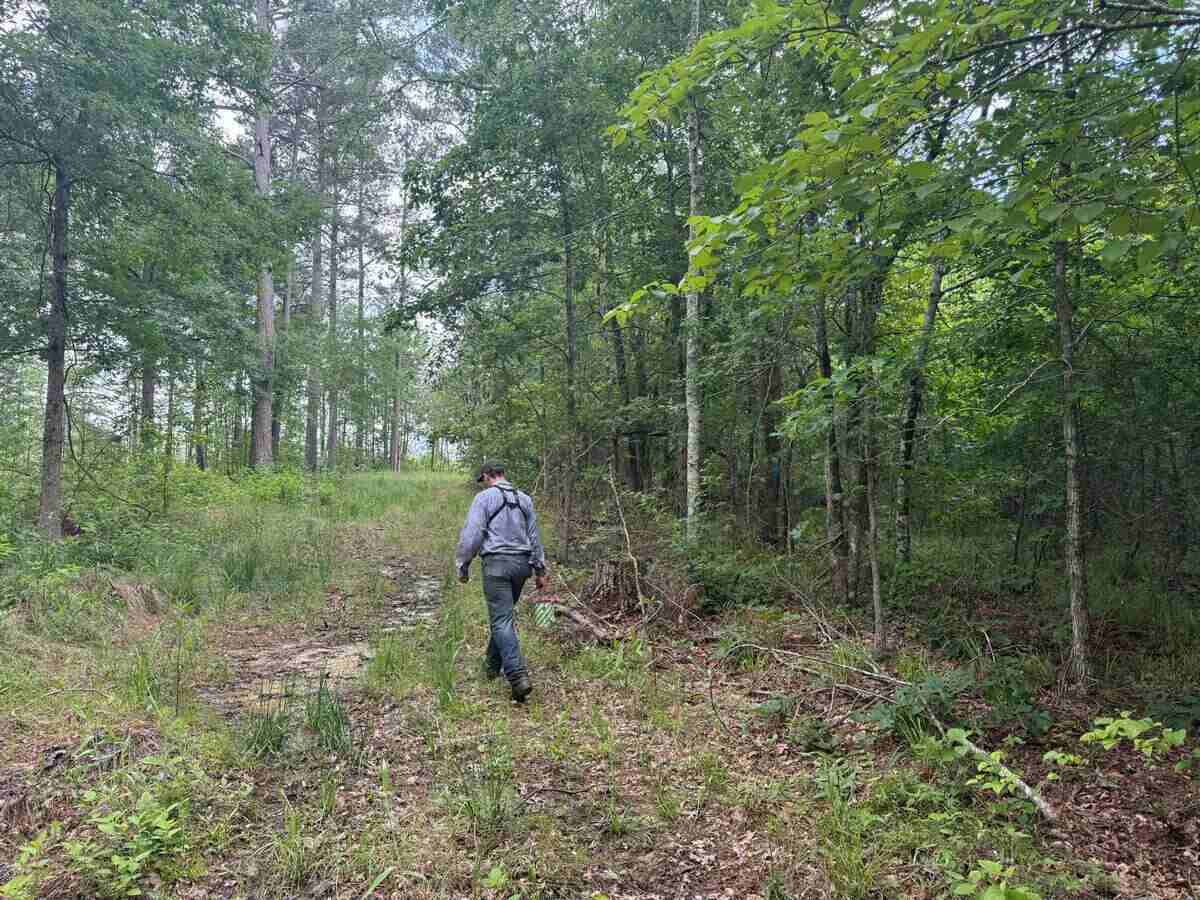
It might sound strange, but one of the most common things people do with new forested land is… nothing.
They assume the trees will take care of themselves or that a forest left alone is always a healthy one. While nature does have its own systems, those systems have been impacted over the years by everything from human intervention to invasive species and extreme weather.
Without a forest management plan in place, your property could quickly become overgrown, prone to pests or disease, or at risk of wildfire. Forests need attention to stay healthy. That doesn’t always mean big changes—but it does mean regular evaluation and care.
Mistake #2: Clearing Too Much, Too Fast
On the flip side, some landowners go in with chainsaws blazing. Whether the goal is to prep for construction, open up the view, or make the land easier to walk through, clearing too much too quickly can throw the entire ecosystem off balance.
Over clearing increases the risk of erosion, drives away wildlife, and can lead to long-term damage—especially if trees are removed without a replanting plan. It also eliminates valuable timber and habitat that could’ve been preserved with the right guidance.
If you want to clear, talk to a forester first. There are ways to create open spaces and trails that still support a healthy, thriving woodland.
Mistake #3: Not Knowing What’s Actually Growing
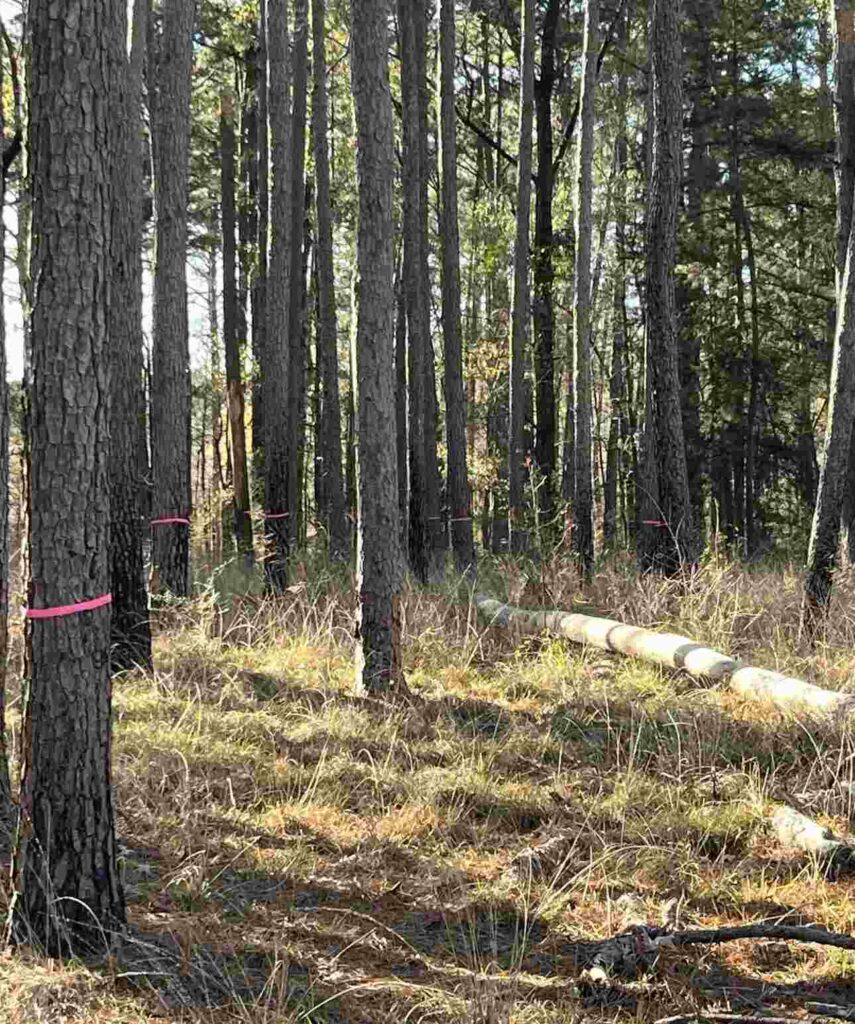
It’s easy to assume that “trees are trees”—but not all trees (or plants) are created equal. Some species are native and essential to the health of the local ecosystem. Others are invasive and can choke out more beneficial growth.
New landowners often don’t know what’s on their property, which makes it difficult to know how to manage it. Invasive species can spread fast and do major damage to both plant and animal life.
A professional forester can walk your land with you and help identify what’s growing where. From there, they’ll help you decide what to keep, what to remove, and what to plant to make sure your forest stays balanced and healthy.
Mistake #4: Ignoring the Risk of Fire or Storm Damage
A lot of people don’t think about natural disaster risks until it’s too late. But in East Texas and surrounding regions, wildfires, hurricanes, floods, and ice storms aren’t unusual—and your forested land can be hit hard.
Forests with lots of dead limbs, thick underbrush, and no clear fire breaks are especially vulnerable to wildfire. And certain trees may be more likely to snap or uproot in high winds.
Foresters help manage your property in ways that reduce these risks: clearing underbrush, removing weak or dead trees, creating fire breaks, and making sure the trees on your land are suited for the region and terrain.
Mistake #5: Trying to DIY Without Expert Help
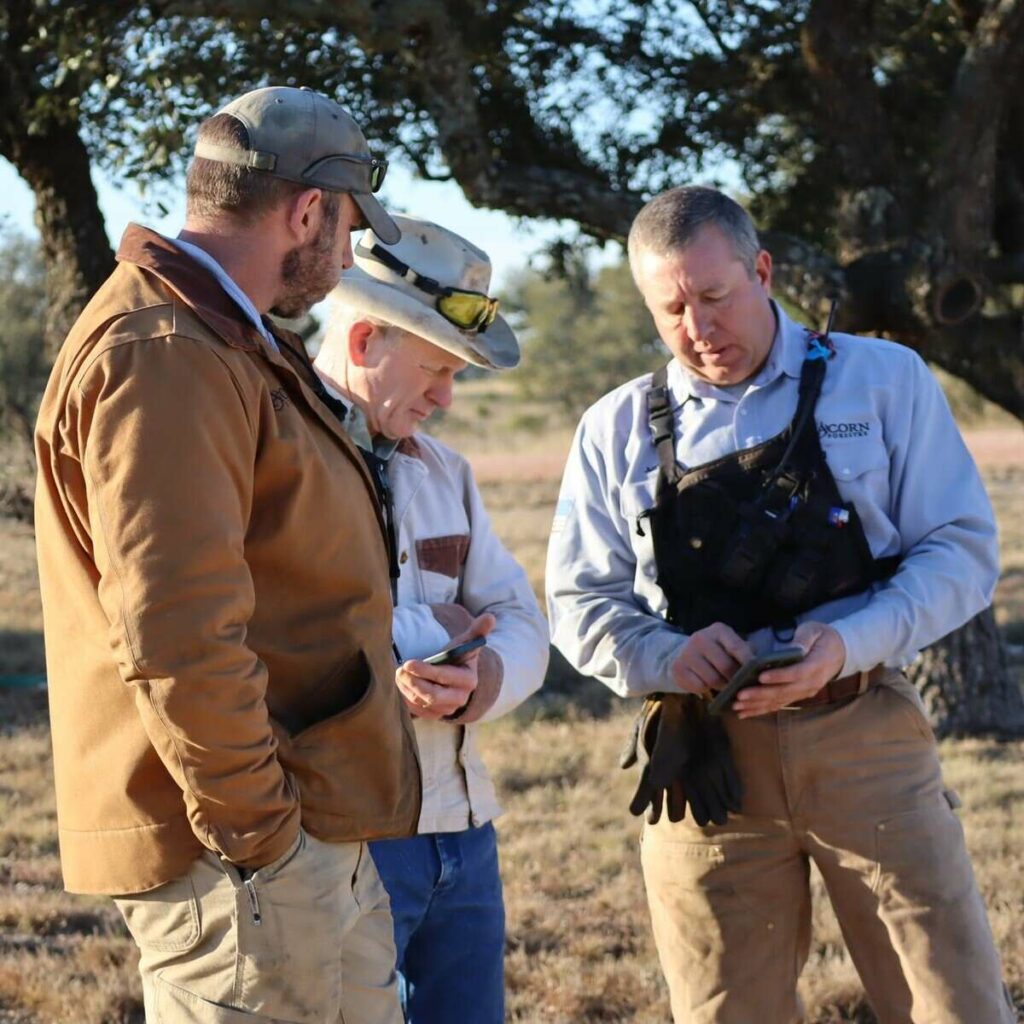
We get it—owning land can make you feel self-sufficient. But forest management isn’t something you should guess your way through.
Whether it’s forest thinning, harvesting, replanting, or just assessing what you’ve got, working with a professional forestry company like Acorn Outdoors helps you avoid costly mistakes. They can help you create a forest management plan that reflects your goals and supports the long-term health of your land.
Plans may include things like timber harvesting, wildlife management, prescribed burning, or invasive species control—all tailored to your land and needs.
Owning forested land can be one of the most rewarding investments you’ll make—but only if you take care of it the right way. Avoiding these common mistakes can save you money, protect your investment, and make sure your forested property thrives for generations to come.
If you’ve recently bought forested land in Texas, Oklahoma, Arkansas or Louisiana, get in touch with your local forestry company, and let’s start building a plan together.