Why Regular Forest Thinning Is Essential for Healthy Woodlands
It might seem strange that regular forest thinning is essential for healthy woodlands, but history shows that’s the case.
Why does cutting trees and brush make the rest of the trees healthier?
There are numerous reasons.
But first, what is forest thinning?
Forest thinning is a means of removing the competition for sunlight and nutrients by reducing underbrush and other trees through cutting, controlled burns, and other natural and mechanical means such as pesticide use and mechanical thinning.
If you’re a property owner and want to manage your forested property, you’ll start by hiring a professional forestry company like Acorn Outdoors and creating a forest management plan. Your plan will be created based on your needs and the needs of your unique property.
Once you and your professional forester have developed your forest management plan, it’s time to get started on the hands-on part of managing your forest—which usually includes thinning your woodlands.
Using Fire to Fight Fire
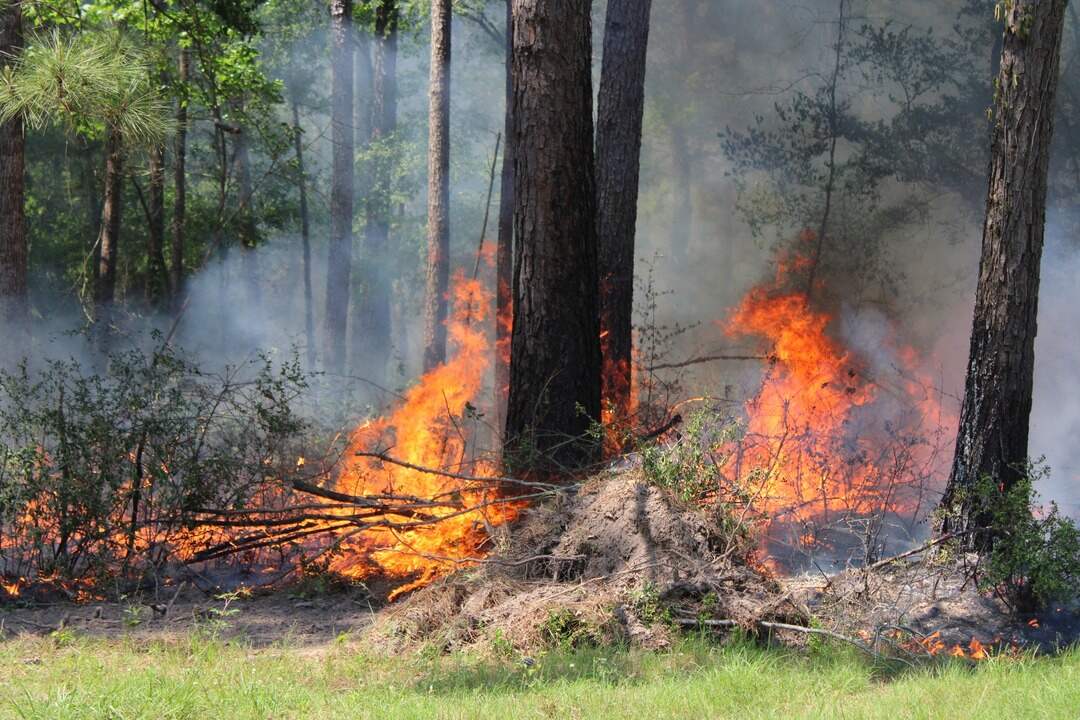
Prescribed burning is a means of controlling undergrowth for optimum forest health that’s been used for hundreds and even thousands of years by indigenous peoples. Prescribed burning mimics the forest’s natural processes when it burns away excess brush and trees that could create major damage in an uncontrolled forest fire.
Understory burns and thinning actually reduce the risk of a major fire causing extensive damage. Dead and living shrubbery, small trees, and grasses create debris around trees, making it difficult for them to grow and thrive. By carefully burning away the additional undergrowth with professional guidance, the fire risk is drastically reduced.
Helping Wildlife
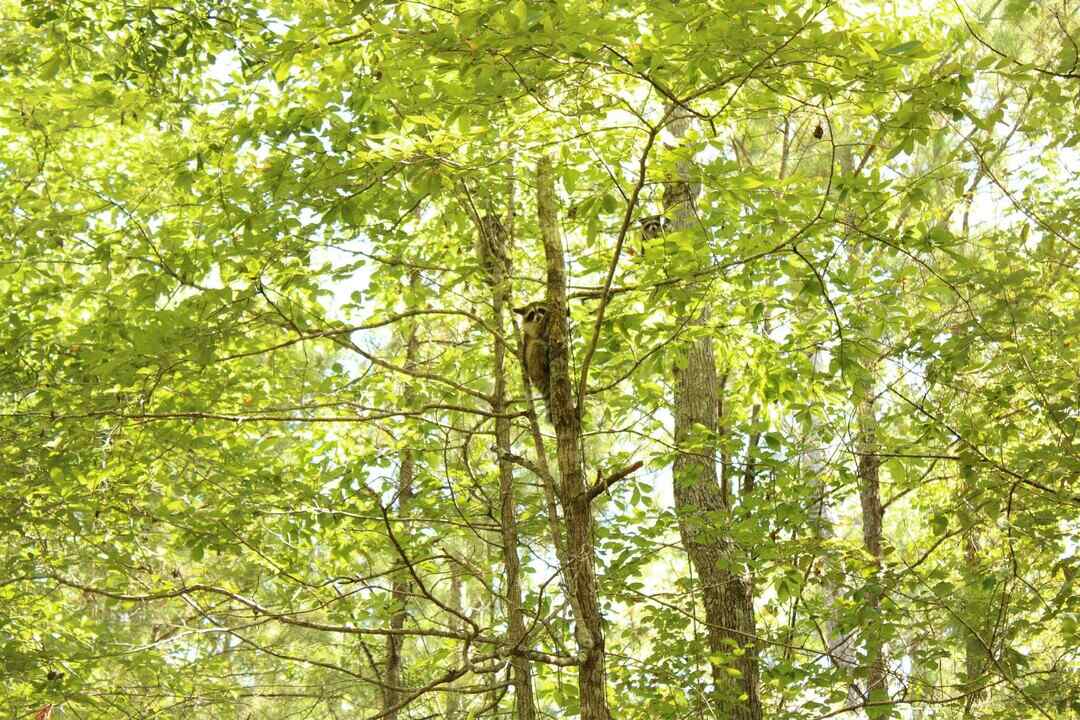
Regular thinning helps improve conditions for wildlife, which is especially important if you’re maintaining your property for wetlands and/or wildlife. People focus their forest management plan on wildlife for numerous reasons, a predominant one being hunting. Foraging space is inhibited when undergrowth is allowed to become thick and spread. Animals also need to be able to move freely through their habitat, which can be difficult if brush, grasses, and small trees grow too thick. Regular thinning encourages forage foods and makes those foods more accessible to the animals.
Do You Have Old Growth Trees on Your Land?
In areas with old growth, thinning is crucial to help protect the older trees from disease, pests, and damage from forest fires. If thinning doesn’t take place, it leaves open the possibility that when a forest fire occurs it will burn and destroy both the understory and canopy—which could be devastating for an irreplaceable old-growth forest.
Are You Managing Your Property for Timber Purposes?
If so, thinning your trees is essential for numerous reasons, the most important of which is that thinning helps encourage the desired tree crop to grow.
Thinning reduces thick undergrowth and diseased or suppressed trees that rob nutrients and water from your timber crop.
Thinning also spaces out the trees in the crop and keeps the residual stand more uniform and free to grow. Increased nutrients and water in the soil in turn make healthier trees.
Depending on your tree crop variety, you can use the thinned wood for profit by turning it into pulpwood or pellets. Talk to your professional forester and see if that’s an option for you.
Thinning to Fight Invasive Species
Invasive species are a major issue when it comes to forest health. If you have an outbreak of disease or pests, especially if you have specific varieties of trees focused on a profitable timber harvest, you stand to potentially lose a lot of money if your trees are impacted.
The Southern Pine Beetle has done incredible damage across Texas and other Southern states. This beetle can decimate pine forests and cause major financial loss no matter what you’re managing your forest for. By carefully managing your forest with a professional forester and regularly thinning the trees you lessen the chances of damage from pests like the pine beetle.
Forests that aren’t thinned can have dense root concentrations that may lead to the rapid spread of disease in a stand of trees. Diseases can reduce a forest and timber crop in just one season. However, maintaining your forest can help stop the spread of disease.
If you’re interested in maintaining your forested property, contact a local professional forestry company today and start creating a management plan for a healthy woodland.