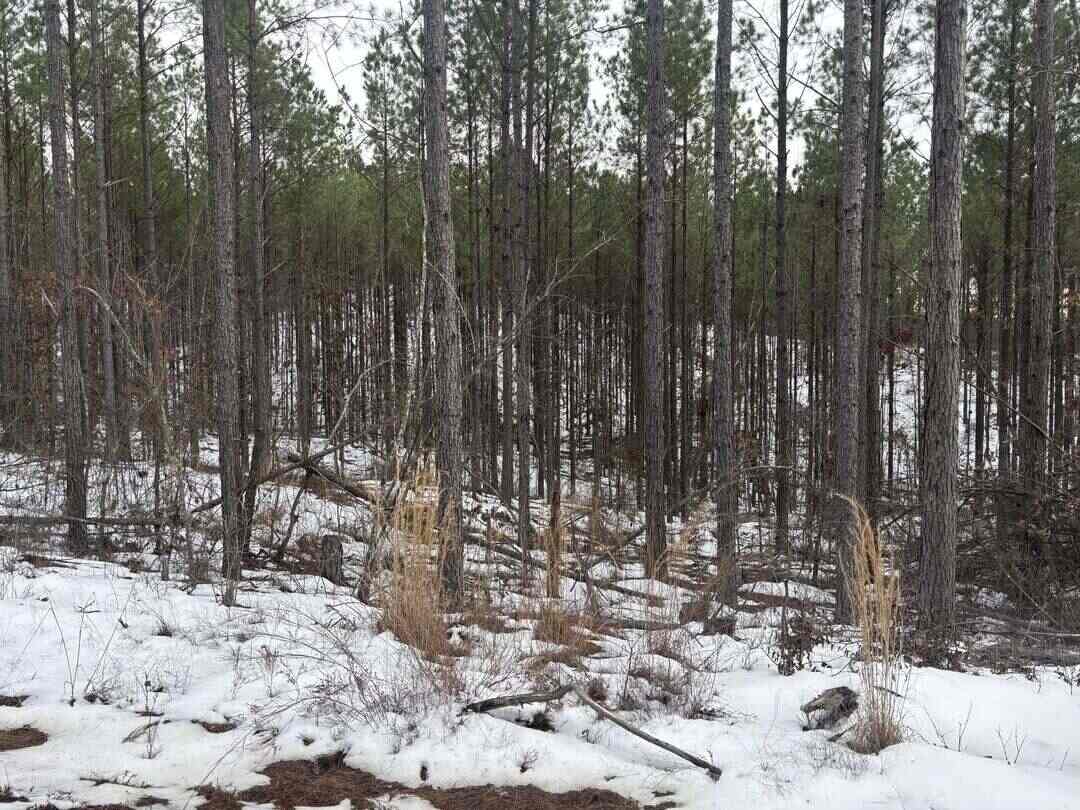
How to Prepare Your Forested Land for Extreme Weather
All weather impacts your forested land in some capacity. How the land is impacted depends on what type of weather your region is currently experiencing, the types of terrain, and the tree species on the property.
East Texas experiences a wide range of weather such as extreme cold fronts and freezes, extreme heat, big storms, and long rainy seasons. In addition, East Texas also has natural occurrences such as floods and wildfires.
Forested land is a strong resource but can also be deeply impacted by weather. As weather patterns change and the world experiences more extreme weather scenarios, it’s important to be prepared with a plan to help keep your forested land healthy and thriving. Things like lack of rainfall, too much water (such as occurs in a flood or prolonged heavy rainfall), wildfires, and extreme high winds can devastate forest health.
So how do you prepare forested land for extreme weather?
Hiring an experienced local forest management company such as Acorn Outdoors means you’ll be working with a professional licensed in forestry practices and knowledgeable about the region’s weather, trees, and landscape. This is crucial to your forest health for numerous reasons, but especially because of details such as knowing the tree types best suited to the region’s climate and weather; understanding soil types, terrain, etc. to be prepared in areas that might be more prone to floods, high winds, or forest fires.
Preparing for Forest Fires
A professional forester can help you prepare and protect your land against forest fires by utilizing numerous techniques such as doing a prescribed burn and creating fire breaks both on the boundaries as well as within the property. These internal firebreaks also double as trails or roads which allow easier access to your entire property.
Does your forested land include a portion of low land that might flood during a big rainstorm?
East Texas not only gets its’ own big regional storms – but it’s also close enough to the Gulf that sometimes a hurricane blows up our way, bringing with it heavy rainfall that the forests and soil aren’t used to accommodating.
If you’re in the midst of a reforestation plan, they can offer experienced guidance as to what types of trees to plant in the lowland areas that will best withstand being submerged in a flood.
If your forested land is mainly for timber harvesting, a forester can best advise how to keep your timber investment safe during extreme weather events such as a passing hurricane.
Reforestation & Anticipating Weather Patterns
If your forest management plan includes planting, an experienced forester will use methods best suited to the terrain and ensure the trees will be strong and healthy—even as saplings—to stay strong and resilient in the event of cold weather, heavy rain, strong winds, etc.
When it comes to reforesting, an experienced forester will plant specific tree species depending on the needs of the property owner, the specific landscape and terrain, and with extreme weather in mind. Some species of trees are known for being more drought-resistant, cold-tolerant, fire resistant.
If you’re an East Texas property owner with forested land and you want to protect your investment against future extreme weather, contact your local forestry company today and get started.