How to Plan and Execute a Controlled Burn for Forest Health
Are you an East Texas landowner who wants assistance productively managing their land?
If so, hiring a professional forestry management company like Acorn Outdoors is the way to go.
When you hire an experienced forestry business to help you manage your property, you’ll work directly with professional foresters to help you create a plan unique to your needs, and the needs of your land, which includes the wildlife.
The main focus of most forest management plans combines a wildlife management plan with timber management—a balance that benefits the land, the wildlife, and the landowner.
What’s in a Forest Management Plan?
A forest management plan involves multiple aspects that may include timber cruising and timber valuation, where a professional forester inventories the timber on your land and makes a record of the details such as tree height, type, insects/disease, etc. They might also utilize timber marking, boundary line maintenance, and other techniques to aid in preparing for future timber sales.
Whatever forest management plan you and your forester decide is best, it might be determined that the best course of action is to conduct a controlled burn for optimum forest health.
The Role of Fire in Forest Health
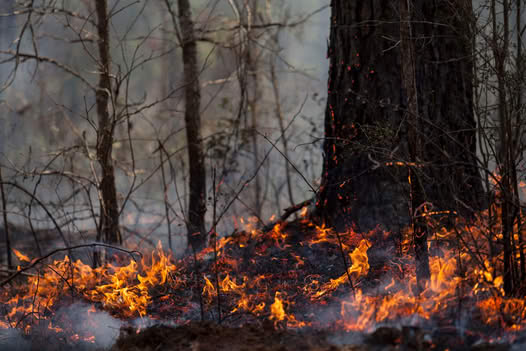
Fire is a naturally occurring phenomenon in nature, and in many areas of the country—including East Texas—it’s necessary for helping the plants and animals that live there.
Forest fires can be frightening and destructive forces—more and more often we’re seeing the damage they can do. However, they’re also important to many ecosystems.
When it comes to the forest, fire helps eradicate pests and disease, clears out invasive species, and makes space for planting new trees. Fire even helps certain tree and plant species grow and thrive.
Types of Controlled Burns
Site Prep Burn
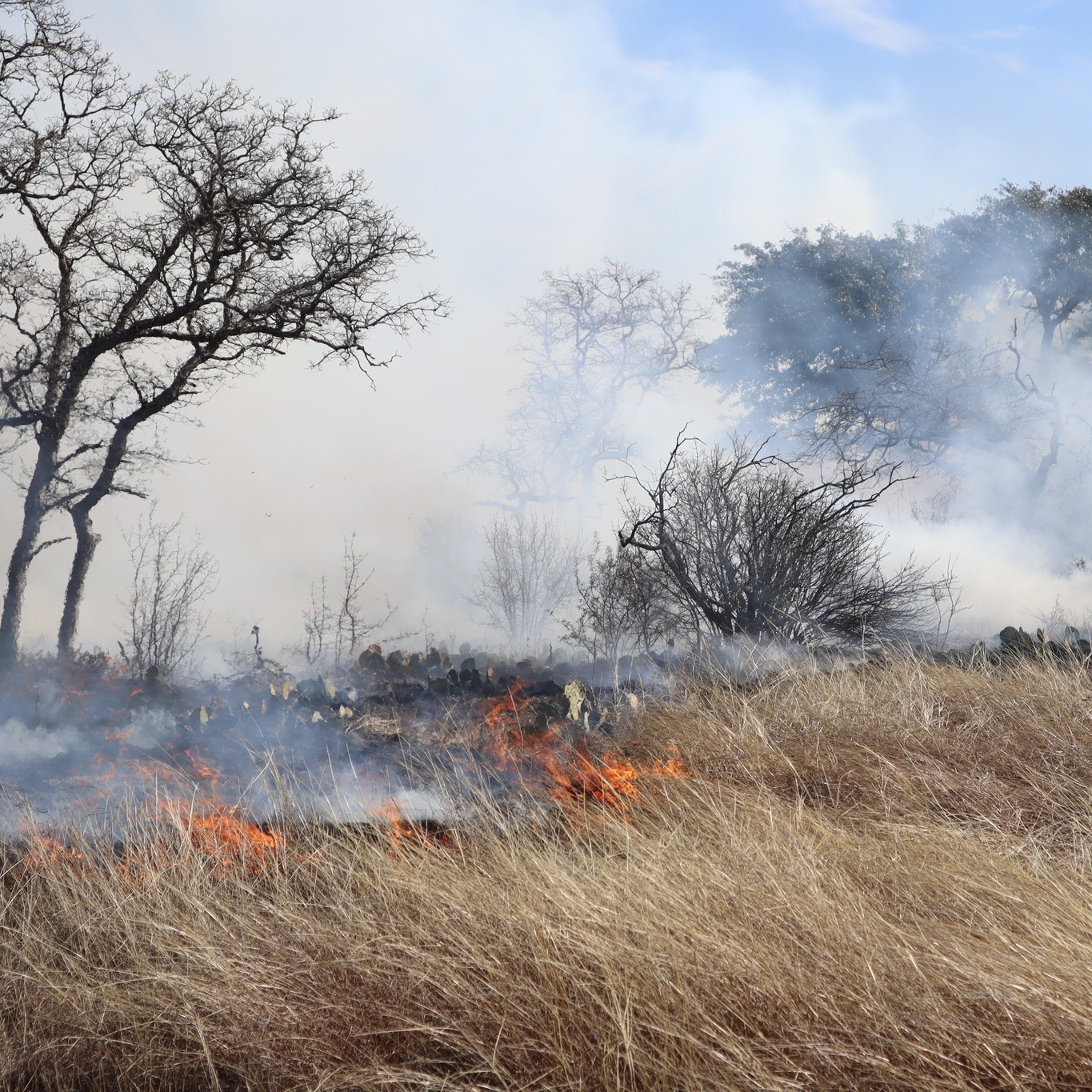
A site prep burn is a type of controlled burn initiated to get rid of debris and overgrowth to prepare for planting trees. This type of burn helps planting crews get to the soil by eliminating grass and other plant growth that make it hard to plant seedlings, and for them to get enough water and sunlight to thrive.
A site prep burn in East Texas usually takes place between July and November.
Understory Burn
Another type of controlled burn that might be used in your forestry management plan is an understory burn. An understory burn is managed to work similarly to a natural burn in that it’s handled to burn off bottom-story growth and not impact the overstory trees that will most likely be used for lumber purposes.
This type of burn is usually done from October through early July.
Pile Burn
A pile burn says it all in the name—this type of burn is conducted to get rid of tree and plant debris. The debris is “piled” and set on fire—with all the proper permits and safety protocols in place.
Why Experience Matters
One of the most important aspects of a controlled burn is in the name: “control.” A burn can quickly get out of hand if it’s not initiated properly.
It’s crucial that these burns are conducted by licensed, insured, and experienced forestry professionals. We’ve all seen on the news how destructive and life-threatening an out-of-control blaze can become. You don’t want that to happen on your property, but foresters with experience will make sure that all goes as planned.
A large-scale fire such as a controlled burn creates a significant amount of smoke and heat. It’s important that you and possibly your neighbors are prepared.
What Happens After the Burn?
After a controlled burn happens, it is often time to plant. Planting tree seedlings is sometimes done by hand planting or it’s conducted with the help of machines.
Controlled burns require a lot of planning ahead of time, as well as acquiring the proper permits your area deems necessary to conduct a burn.
What to Consider Before a Burn
Some of the details that might be considered are:
- What vegetation is on the property?
- What is the topography of the land where the burn will take place?
- What type of weather is forecast? (As you can imagine, weather plays a big role in when a burn can happen. A dry, windy day or days won’t work.)
Once the above details are in place, professional foresters will prepare the site. This might involve creating a cutting line and clearing debris to make a perimeter for the fire to stay within. Another important detail is water availability and storage.
When Everything is Ready, Let It Burn
When everything is in place, the burn can happen.
After a controlled burn, you can watch your land transform as your management plan takes shape.
You can make the most out of your East Texas land by hiring a forestry management company to help you manage your land and make the most out of it in a way that benefits both you and the land.