How Sustainable Forestry Practices Help Preserve Texas’s Ecosystem
Sustainable forestry practices are a winning scenario for all involved and can best be achieved on private land by hiring a forestry management company to help you create a Forest Management Plan such as a general forest management plan, or a wildlife management plan.
Sustainable forest practices have many positive attributes, such as the reduced likelihood of unexpected forest fires; benefiting native plants, trees, and animals; benefits for those managing their land for timber through a healthier, more successful timber crop; or benefits to the region by creating healthy forested areas that produce clean air, and more.
The Unique East Texas Ecosystem
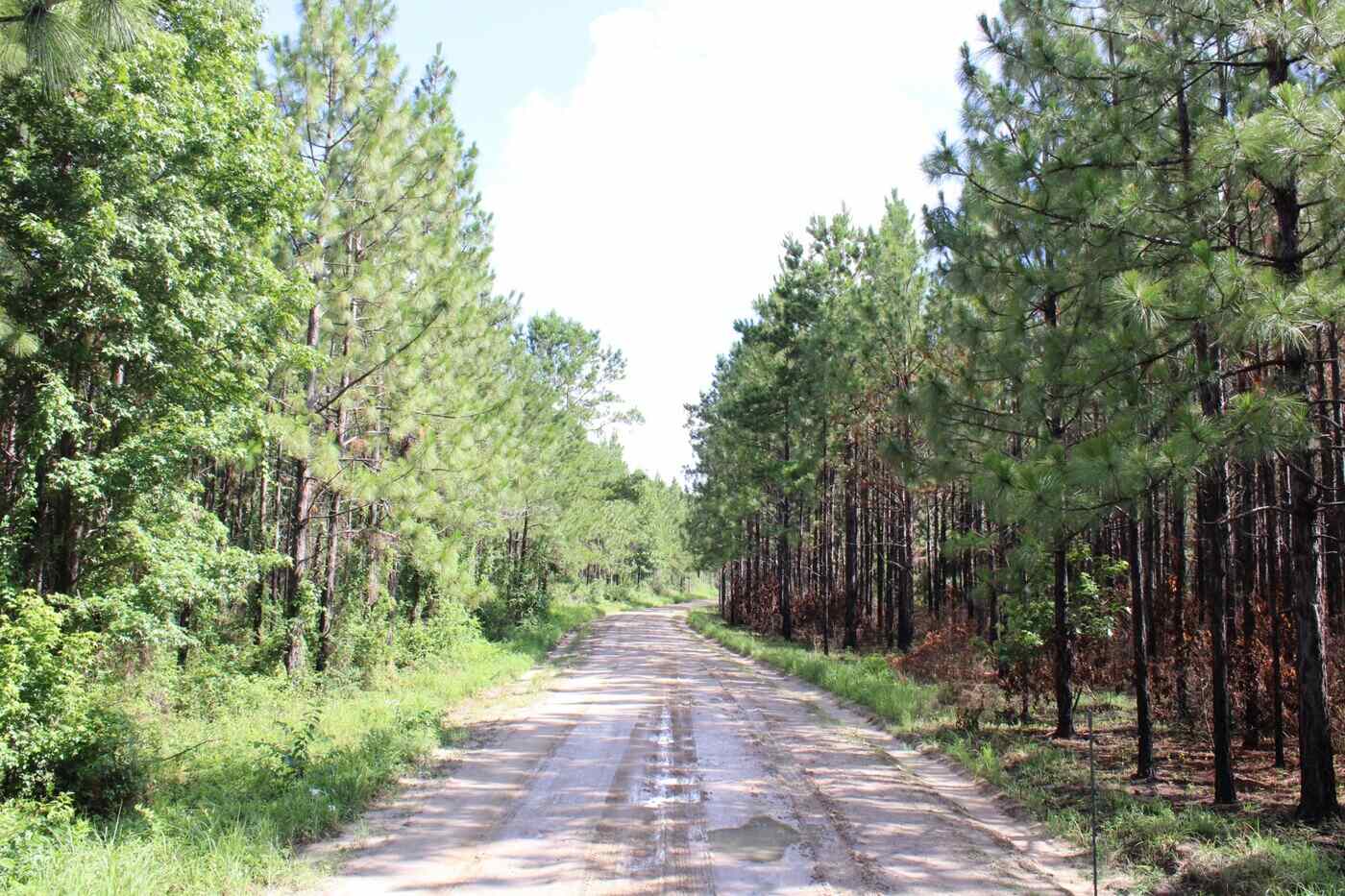
When it comes to the Ecosystem of East Texas, it is known for its’ beautiful pineywoods. These abundant pine forests cross state lines into Oklahoma, Arkansas, and Louisiana as well.
In addition to the pines, the region also has hardwood stands of Oak and Hickory, which can make lucrative timber crops for Texas landowners. The area also has sections of wetlands home to a variety of wildlife, plants, and trees important to the region’s ecosystem. It’s a unique mix of topography and tree types to go with it, and it takes an experienced forester to know how to manage it.
What Are Sustainable Forestry Practices?
Sustainable forestry practices describes managing a forested tract of land with management techniques such as controlled burning, timber harvesting, herbicide application, etc.
These time-tested practices of managing woodlands make it possible for the land and its inhabitants, both plant and animal, to thrive for generations to come.
Balancing Timber Sales and Ecosystem Health
Do you want to manage your land for timber sales, but are concerned about the sustainability and impact to the local ecosystem?
Contrary to what some people think, a forest can be managed for timber and have a healthy ecosystem at the same time.
That’s where a professional forester comes in.
Businesses like Acorn Outdoors, which operates in Texas, Louisiana, Arkansas, and Oklahoma, understand the importance and delicate balance between harvesting a timber crop and making sure the ecosystem is healthy for future generations.
East Texas and the surrounding regions have their own unique ecosystems which need to be understood in order to be properly managed. Foresters, like those who work at Acorn Forestry have studied forestry practices and woodlands management and obtained degrees and certifications in forestry practices such as fire management, timber cruising and valuation, prescribed burning, invasive species control, and how to create and execute a successful reforestation plan.
How Professional Foresters Help the Ecosystem
A professional forester employs numerous methods to enhance the ecosystem of the land they’re managing.
Combating Disease and Invasive Pests
- A forest or timber crop can quickly suffer loss and disappear if a disease or invasive pest takes hold.
- As we’ve historically seen in areas across the nation, entire tree species and miles of forests can be lost in a few short years if the threat goes unchecked.
- Combatting infestations of pests, diseases, and invasive species is an important part of forestry management.
- It’s necessary for professional foresters to know how to recognize the threats of pests and diseases and know how to treat them.
The Importance of Thinning Trees
- Knowing when to thin trees and which trees to thin is a necessary part of forestry management.
- Thinning trees can be especially important when managing a forest for timber growing purposes.
- While it might seem strange to cut down trees to help other trees grow, that’s one-way thinning works.
- Thinning trees help the residual stand receive more sunlight and necessary nutrients, allowing fast and healthier growth.
- While it’s possible to thin your forested property yourself, a professional forester will know exactly which trees to take out to most benefit both the residual trees and the wildlife.
Controlling Underbrush and Fire Risk
- Harvesting, herbicide application, and prescribed burns are important techniques foresters use to control underbrush and combat disease and pests.
- In addition, reducing overgrowth—especially shrubs and dense, dry vegetation—decreases the chance of a dangerous catastrophic wildfire.
- Treating this type of growth reduces the fuel load for such a fire to burn out of control.
There are many benefits to managing your property with a professional forestry company—benefits to the landowner, plants, animals, and the ecosystem as a whole.
If you own property in Texas, Oklahoma, Arkansas or Louisiana, contact Acorn Forestry and have your property managed by professional foresters who will manage the land in tandem with your property goals.